I Reviewed 10 Startup Websites, Here's What They're All Missing
Patterns I see constantly and the fixes that actually work
I spend a lot of time looking at startup websites. As part of client research, competitive analysis, and honestly just professional habit. And over time I've noticed that the same problems come up again and again — different industries, different products, same brand gaps.
I'm not naming names here. This is about patterns, not criticism. And the reason I'm sharing them is because every single one of these is fixable.
The headline is about the founder, not the customer
"We build beautiful software for modern teams." "We're a design-first development studio." "We've been crafting digital experiences since 2019."
All of these are about the company. None of them are about the person reading them.
Your headline has one job: make your ideal customer feel immediately understood. It should speak to a problem they have or an outcome they want — not to how you'd describe your own work. "Stop losing leads because your CRM doesn't talk to your calendar" is a headline that does work. "We make powerful productivity software" is a headline that exists.
There are four calls to action competing for the same space
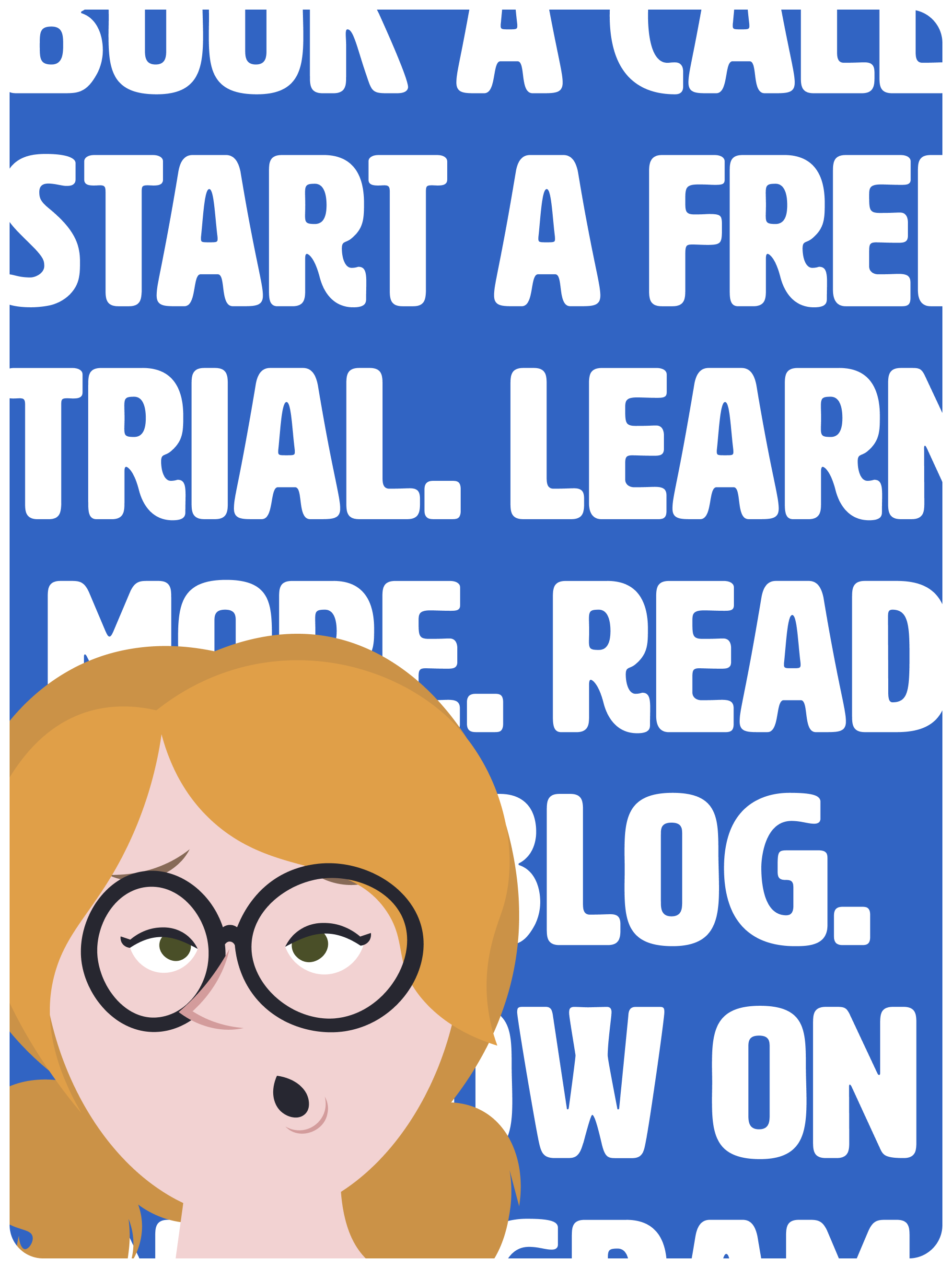
Book a call. Start a free trial. Learn more. Read the blog. Follow on Instagram. Download the guide.
Every one of these felt justified when it was added. Together they create a page where no single action feels important, because everything is being emphasized equally.
A homepage should have one primary CTA. Everything else should be secondary — smaller, quieter, lower on the page. The primary action should be obvious to someone who's never seen your site before.
The social proof is buried or missing
Testimonials in the footer. A logos section with no context. One quote hidden three scrolls down the page.
Social proof is one of the highest-converting elements on any website, and most startup sites either don't have it or hide it where no one sees it. A strong testimonial — specific, outcome-focused, from a recognizable type of customer — belongs near the top of the page, close to where someone is making the decision to stay or leave.
If you don't have testimonials yet, get them. Email three past clients today and ask. Specific is better than effusive: "increased conversions by 40%" beats "absolutely wonderful to work with."
The mobile experience is an afterthought
Designed beautifully on desktop. Broken on the phone they're actually reading it on.
Navigation that doesn't close after clicking. Text that runs off the edge. Buttons stacked awkwardly because the desktop layout didn't adapt. Images that take ten seconds to load on mobile data.
More than half your visitors are on mobile. Test your site on an actual phone. Fix what's broken. This is not optional.
There's no way to stay in touch short of booking a call
The booking link is there. The contact form is there. But for the visitor who's interested but not ready to commit to a call — which is most visitors — there's no middle step.
An email signup with a useful lead magnet gives people a way to stay connected without the pressure of a full commitment. It's how you turn a 60-second visit into a six-month nurture relationship that eventually converts.
Most startup sites don't have this. The ones that do build audience while they sleep.
The brand doesn't look the same as the social profile
Someone finds you on LinkedIn, clicks through to your site, and something feels slightly off. Different logo treatment. Different color tone. Different energy in the copy.
None of it is dramatically wrong. But the brain notices inconsistency even when the eye doesn't consciously register it. That subtle feeling of "hm" is the brand failing to do its job.
Audit every place your brand appears. Instagram, LinkedIn, website, email signature, pitch deck. They should feel like the same brand showing up in different contexts — not like five different businesses.