
Illustration of Eloisa :)
The difference between decoration and strategy & why it matters for your business
A good friend of mine just came back from a vacation at Punta Cana in Dominican Republic, and her social media post read: “The withdrawals of not going everywhere in a bathing suit and flip flops to a constant buffet of food are real! 😆🤷♀️”.
I not only know what vibe she’s referring to, but I also knew from a lifetime of living in the hotels my dad managed what it takes to create all the magic that makes someone feel this way. I didn't start my career sitting in a design studio. I grew up in the tourism industry, the business of service.
My dad, a lifelong hotelier, once said “we don’t sell stuff here, we create experiences, and they have to be unforgettable”, and that’s how I’ve lived my entire professional life, creating experiences that people would remember long after the sunburn faded.
That world taught me something most design programs don't: that how something feels is just as engineered as how it looks.
Now, I know what a brand should be, and, spoiler alert: it’s not a logo.




A logo is a name tag. A brand is a reputation.
A logo tells people what to call you. A brand tells them what to think of you, how to feel about you, and whether to trust you. One is a file on your desktop. The other is what happens in someone's brain when they hear your name.
Think of logos as a tool, which is part of a strategy {your branding}.
Some founders spend months agonizing over their logo, changing and thinking of every detail a logo should represent, then launch with a busy logo, and zero clarity on what their brand stands for. Also, in contrast, there are brands that have super simple and clean visuals, and an extraordinary brand.
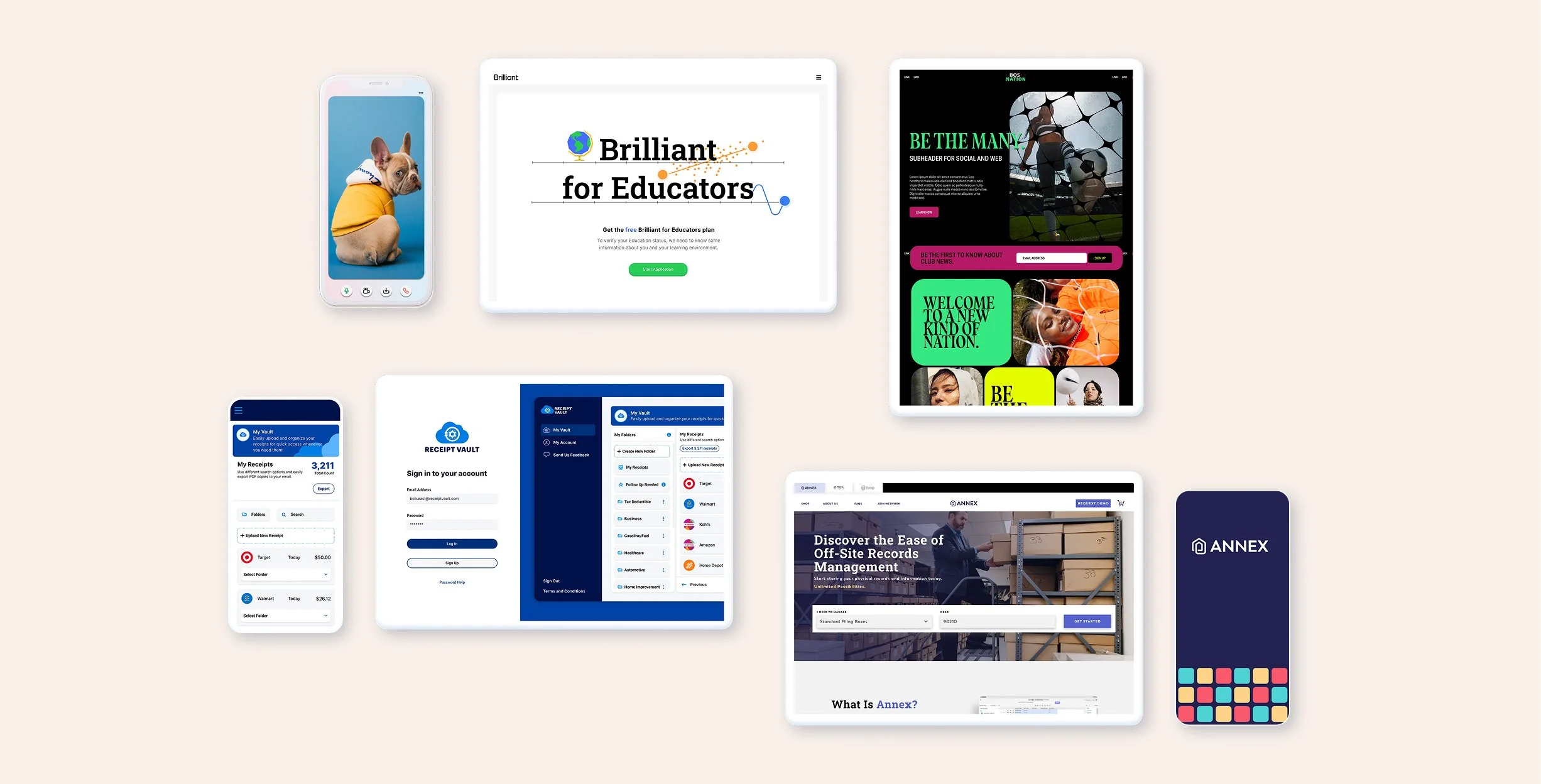
Some brands I’ve worked on
What branding actually means
Branding is the product of a set of decisions that make everything else coherent. Who you're talking to. What problem you solve for them. What makes you different from the five other people solving the same problem. What you sound like, what you stand for, what you'd never do.
Think about branding as a product. You need to understand the customer, deeply, from a communications perspective, and use that to drive the decisions you make. Once you have the answers to understand your customers, and your competition, selecting colors and fonts will not be just an aesthetic preference, but a strategy.
That's the difference between a brand that looks good and a brand that works.

The cost of skipping strategy
In general, the short answer is: it costs twice as much to rebrand.
Is a beautiful house still functional if no one planned for electricity or plumbing?
Just like in product design, the visual work is the easy part. But unlike product design, the visual branding work is the most visible, so it typically gets the most budget.
What this means for you
If you're a founder reading this: before you hire a designer { including me } get clear on who your customer is and what you're promising them. Even rough clarity is enough to make the design process faster, cheaper, and better.
If you're a designer reading this: learn to have the strategy conversation with your clients. It makes your work better, it makes you more valuable, and it means you stop producing beautiful things that don't solve the actual problem.
Design is problem solving. The logo is just how the solution gets dressed.